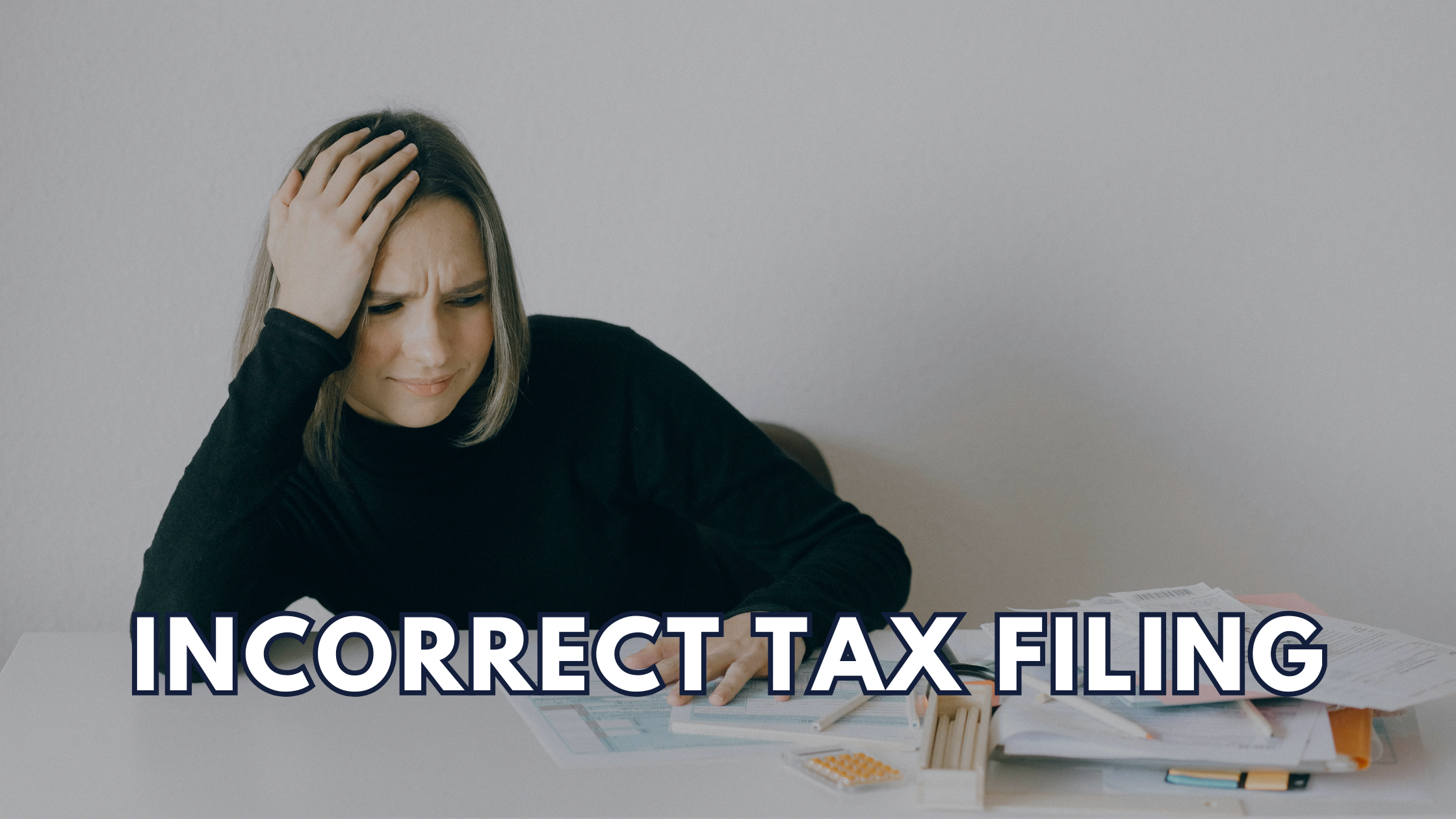
Many business owners assume accounting problems only affect bookkeeping. In reality, errors in your financial records often show up when taxes are due, when fixing them becomes far more difficult.
Your tax return depends entirely on the numbers behind it. When those numbers are incomplete, miscategorized, or inconsistent, the consequences can range from missed deductions to IRS notices months later.
This is why reliable small business accounting services matter more than most people realise. Clean accounting records do not just help with reporting. They protect your business, support tax planning, and give you confidence in your financial decisions.
Why Accurate Accounting Matters More Than Most Business Owners Think
Accounting Is the Foundation of Your Tax Return
Every tax return begins with accounting data. Your income, expenses, payroll, and deductions all come from the financial records you maintain throughout the year.
When your books are accurate, tax preparation becomes straightforward. Your accountant can review the numbers, apply the correct tax rules, and file with confidence.
But if your accounting records are incomplete or inconsistent, your tax return is built on unstable ground. Instead of preparing taxes, your accountant may spend time trying to reconstruct what actually happened during the year.
When the Accounting Numbers Are Wrong, Everything Built on Them Is Wrong
Incorrect accounting affects more than bookkeeping reports. It affects every financial decision tied to your business.
If revenue is recorded incorrectly, your tax liability may be calculated incorrectly. If expenses are misclassified, legitimate deductions may be missed. If records are incomplete, your return may include errors that trigger questions later.
This is why many business owners rely on small business accounting services that maintain consistent records throughout the year rather than waiting until tax season to organize everything.
Common Signs Your Accounting May Be Incorrect
Accounting problems rarely appear overnight. In many cases, there are warning signs that something is off.
Your Expenses Don’t Match Your Bank Records
One of the clearest signals of accounting problems is when expenses recorded in your books do not match your bank statements or credit card activity.
Missing transactions, duplicate entries, or incorrect categorization can easily create discrepancies that grow over time.
Your Profit Changes Every Time You Review It
If your reported profit changes every time you review your financial reports, that often means the underlying data is inconsistent.
This may happen when records are updated sporadically or when transactions are added months after they occurred.
Your Accountant Has to Rebuild Your Books Before Filing
If your accountant spends significant time cleaning up records before preparing your tax return, it usually means the accounting system was not maintained during the year.
This reconstruction process increases the risk of missing information and can delay filing.
You Are Unsure What Counts as a Business Expense
Many small business owners struggle to distinguish between personal and business expenses.
Without proper accounting guidance, expenses may be categorized incorrectly or omitted entirely, which can affect your final tax calculations.
What Actually Happens When Accounting Is Wrong at Tax Time
Accounting errors often reveal themselves during tax preparation, when it is hardest to correct them.
You May Overpay Taxes Without Realising It
If legitimate expenses are not properly recorded, your taxable income may appear higher than it should be.
This means you could be paying more tax than necessary simply because deductions were not captured correctly.
Important Deductions Can Be Missed
Tax deductions depend on clear documentation. If expenses are not properly categorized or recorded, they may never appear on your tax return.
Once the filing deadline passes, recovering those missed opportunities becomes difficult.
Your Tax Return May Contain Reporting Errors
Incorrect accounting records can lead to incorrect reporting of income, expenses, or payroll activity.
Even small discrepancies can create complications if they contradict other information the IRS receives.
You May Face Penalties or IRS Notices Later
Sometimes accounting mistakes are not discovered until months after a return is filed.
If discrepancies appear later, the IRS may send notices requesting clarification or adjustments. Responding to these situations becomes much easier when your accounting records are clean and organized.
Why Many Business Owners Don’t Catch Accounting Errors Early
Many accounting issues develop gradually because bookkeeping is not prioritised until tax season arrives.
Spreadsheets and DIY Systems Break Over Time
Spreadsheets may work in the early stages of a business, but as transactions increase, they become difficult to maintain accurately.
Manual tracking increases the likelihood of missing entries, formula errors, and inconsistent reporting.
Bookkeeping Is Often Treated as an Afterthought
Business owners often focus on sales, operations, and customer service, leaving accounting tasks for later.
Over time, delayed bookkeeping creates gaps in records that become harder to correct.
Tax Preparation Happens Too Late to Fix Structural Issues
By the time tax preparation begins, the financial year is already complete. Structural accounting problems that occurred months earlier cannot always be fixed easily.
This is why businesses that rely on ongoing small business accounting services tend to avoid these last-minute complications.
How Incorrect Accounting Can Lead to IRS Problems
Accounting errors do not automatically lead to IRS issues, but they can increase risk.
Inconsistent Records Can Trigger IRS Questions
If numbers on your tax return do not align with other financial information, the IRS may request clarification.
This often occurs when accounting records contain inconsistencies.
Misclassified Expenses Can Create Audit Risk
Certain expense categories receive closer scrutiny. If expenses are recorded incorrectly, they may appear unusual or unsupported.
Proper categorization helps prevent unnecessary attention.
Poor Records Make It Harder to Defend Your Return
If the IRS ever requests documentation, your accounting records serve as your primary evidence.
Clear, organized records make it far easier to explain and support the numbers reported on your return.
What Clean Accounting Looks Like
Reliable accounting systems share several characteristics that make financial reporting easier and more accurate.
Consistent Record-Keeping Throughout the Year
Transactions are recorded regularly rather than months after they occur. This keeps financial reports accurate and prevents information gaps.
Clear Categorization of Income and Expenses
Each transaction is classified correctly so financial reports reflect the true structure of the business.
This also ensures deductions are identified properly during tax preparation.
Accurate Financial Reports You Can Actually Understand
Good accounting produces financial reports that business owners can read and use.
Instead of confusion, these reports provide clarity about income, expenses, and profitability.
Many companies rely on professional small business accounting services to maintain this level of accuracy consistently.
How to Fix Your Accounting Before the Next Tax Season
If your accounting records need improvement, addressing the issue early makes a significant difference.
Review Your Current Records for Gaps
Start by reviewing your bank accounts, credit cards, and transaction records. Identify missing entries or inconsistencies.
Clean Up Historical Transactions
Past transactions may need to be reviewed and categorized correctly to create an accurate financial history.
Create a Reliable Accounting System Going Forward
Once records are corrected, implementing a consistent system helps prevent the same problems from returning.
This may include structured bookkeeping processes, regular reconciliation, and periodic financial reviews.
Why Fixing Accounting Early Makes Tax Planning Easier
Accurate accounting does more than support tax filing. It also supports strategic planning.
Better Data Leads to Better Tax Strategy
When financial records are accurate, tax advisors can identify opportunities to reduce liability through proper planning.
Without reliable numbers, meaningful tax strategy becomes difficult.
You Can Make Financial Decisions With Confidence
Clean accounting gives business owners a clear view of performance, expenses, and profitability.
Instead of guessing, decisions can be made using real financial information.
When It’s Time to Get Professional Accounting Help
Many business owners reach a point where managing their own books becomes inefficient.
You’re Spending Too Much Time Fixing Your Own Books
Time spent correcting accounting records is time taken away from running your business.
Your Numbers Never Feel Reliable
If financial reports constantly change or feel unclear, the accounting system likely needs structure.
You Want Accounting That Supports Tax Planning
Professional accounting services do more than track transactions. They create the financial foundation required for effective tax planning and advisory support.
When It May Be Time to Bring in an Accounting Team
Professional accounting support often becomes valuable during periods of growth or transition.
This can include:
- rapid income growth
- transitioning to 1099 work
- expanding a business
- preparing for tax planning or advisory
Many business owners reach this point once they realise their numbers are no longer simple. Working with experienced small business accounting services can help restore clarity and prevent future complications.
Need Help Getting Your Accounting Back on Track?
If your accounting records feel unclear, inconsistent, or difficult to manage, addressing the issue early can prevent larger problems later.
Clean accounting makes tax season easier, improves financial visibility, and supports better decisions for your business.